


Wholehearted Nutrition and Wellness PLLC Blog
Where science meets clarity.
Our blog distills the latest cardiometabolic nutrition research and recommendations into clear, actionable insights. We aim to bridge the gap between complex data and everyday nutritional decisions to support you in making the most healthful next step in your nutrition and wellness journey.

Five Evidence-Based Strategies for Lasting Health Habits
Building new healthful habits that truly last can feel overwhelming, but science tells a different story. You don’t need dramatic overhauls or endless willpower to create meaningful lifestyle changes. Instead, the key lies in small, strategic shifts backed by research in behavior change and habit formation. If you’re ready to create a sustainable wellness routine this year that supports your long‑term health, these five evidence‑based strategies offer a powerful place to begin.

Top Five Foods for Improving Heart Health: A Cardiac Registered Dietitians’ Professional Overview
A heart-healthy diet is a cornerstone of cardiovascular disease prevention and management. We may know the importance of whole, minimally processed foods to support cardiovascular health and reduce overall disease risk; but, which healthful foods are the one’s we should be focusing on the most for our hearts? Decades of research and leading health organizations consistently highlight certain foods that provide the greatest benefits for heart health. Today, we explore the top five foods recommended for supporting cardiovascular well-being, drawing on the latest scientific evidence.

Smart Holiday Eating: Evidence-Based Strategies to Enjoy Festive Meals Without Overeating
The holiday season is a time of celebration, family gatherings, and tons of delicious home-made food! Yet, it’s also a period when many people worry about overeating or consuming excess calories leading to unintended weight gain. Whether you are actively working towards weight loss or aiming to avoid your pants feeling tighter, it is perfectly reasonable to feel a bit of anxiety around this holiday event. Research shows that while the average holiday weight gain is modest—on average 1.1 pounds—it often to linger well beyond January for most adults. The good news is that with mindful planning and evidence-based strategies, you can enjoy holiday meals without compromising your health goals. Today, we review some evidence-backed strategies for controlling your nutritional intake to avoid feeling guilty or anxious around the family holiday meal.
Nutritional Supplements and Cardiovascular Disease: What Every Patient should Know
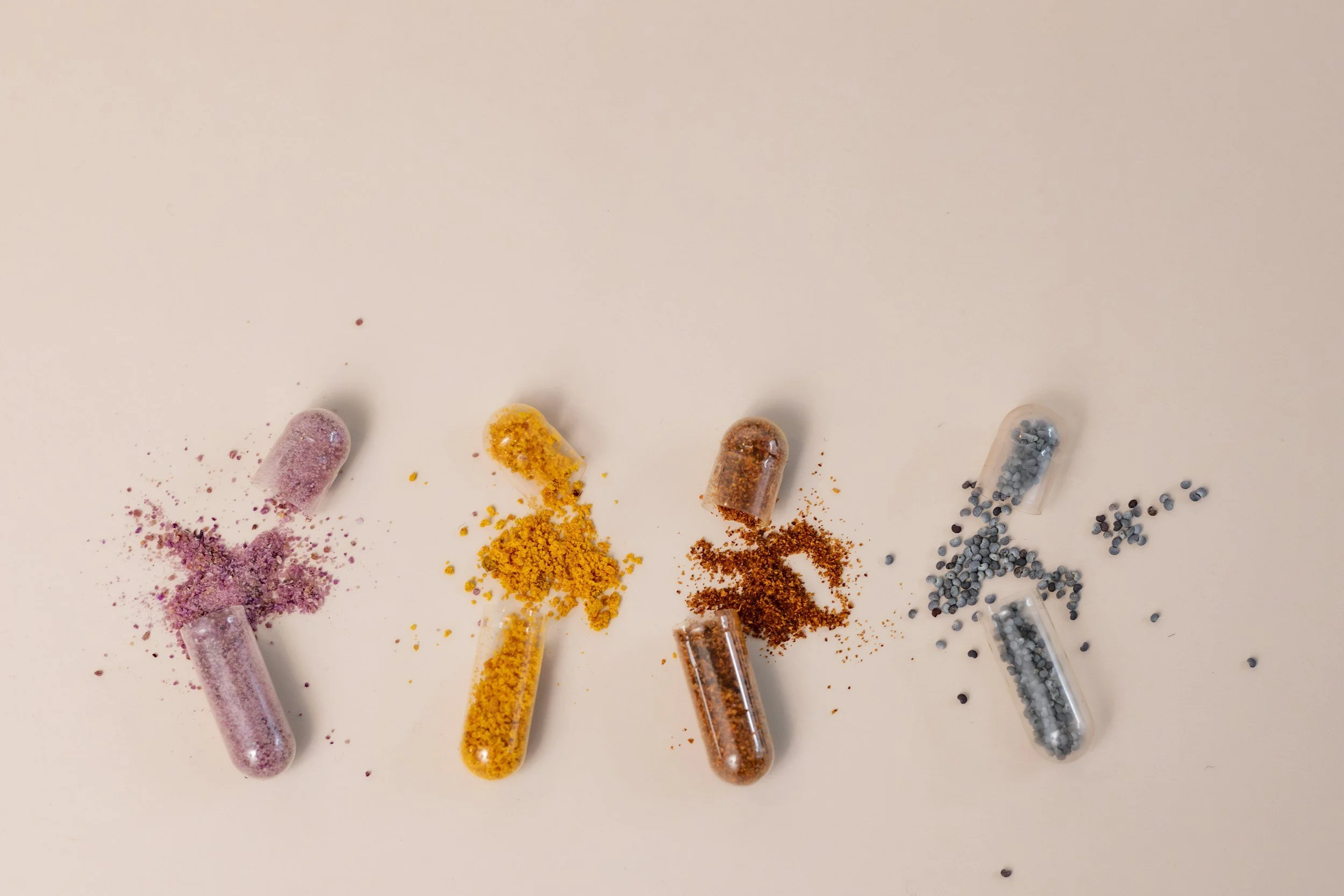
Cardiovascular disease (CVD) and heart failure remain among the leading causes of illness and death worldwide. While medications, diet, and exercise are the cornerstones of management for these conditions, many patients and clinicians are interested in understanding and exploring the potential role of nutritional supplements in supporting disease prevention and/or management. With a growing number of individuals indicating utilizing nutritional supplements daily in hopes of supporting heart health, it leads one to question is this truly evidence-based practice, or are we all being sold on these supplements by marketing companies? Today we dive into the research and explore certain nutritional supplements touted to support heart health, and what the current guidelines and recommendations suggest.

Caffeine and Cardiology: What your Morning Cup Isn’t Telling You
From morning coffee rituals to energy drinks on the go, caffeine is a daily companion for millions of hard working adults around the world. But as its popularity grows, so do questions about its effects on cardiovascular health. Nothing encapsulates this concern better than the attention brought to caffeinated beverages after two individuals tragically passed following consumption of Panera Bread’s caffeinated Charged Lemonades back in 2023 and 2024. Caffeine, primarily consumed through coffee, tea, and energy drinks, is one of the world’s most popular stimulants. Few people know how much caffeine is considered moderate intake, or even excessive. Its impact on heart disease—both in terms of development and management—has been the subject of extensive research, with findings that are nuanced and sometimes conflicting. Today we will delve into the research to understand how caffeine consumption can impact the heart and how we can utilize this stimulant to best support a heart-healthy lifestyle.

Lower that pressure, one brisk step at a time: A Current Scientific Review of Cardio’s Critical Role in Blood pressure and Hypertension management At Any Age
Cardiorespiratory exercise is touted as the cornerstone in the clinical recommendations for prevention and management of high blood pressure (hypertension) across diverse populations. Today, we delve into the current literature on the benefits and applications of cardio for blood pressure and hypertension management, as well as practical recommendations to implement cardio exercise into your daily health routine.

Sleepless Nights and Hurting Hearts: Understanding The Hidden Link Between Poor Sleep and heart Health
We all have felt the effects of a great night of sleep, and those of poor or little sleep. We value sleep, but don’t always give it the attention it deserves. We often think of sleep as a luxury throughout the work week - something we sacrifice for a few more hours of work or social media scrolling, late night hangouts with friends or colleagues, or staying up stressing about a big presentation or the upcoming tax season. Maybe we think we can offset these poor sleep hygiene practices on our weekends when we sleep in longer. But what if skipping out on sleep wasn’t just making you groggy and irritable the next day, but quietly harming your heart and taking years off of your life in the long-term? Poor sleep has been consistently shown to lead to increased heart disease risk, elevated blood pressure, altered metabolism, and systemic inflammation. Today, we will dive into the current research and discover how important sleep is for our health, our hearts, and our longevity.