

Top Five Foods for Improving Heart Health: A Cardiac Registered Dietitians’ Professional Overview

A heart-healthy diet is a cornerstone of cardiovascular disease prevention and management. We may know the importance of whole, minimally processed foods to support cardiovascular health and reduce overall disease risk; but, which healthful foods are the one’s we should be focusing on the most for our hearts? Decades of research and leading health organizations consistently highlight certain foods that provide the greatest benefits for heart health. Today, we explore the top five foods recommended for supporting cardiovascular well-being, drawing on the latest scientific evidence.
1. Fruits and Vegetables
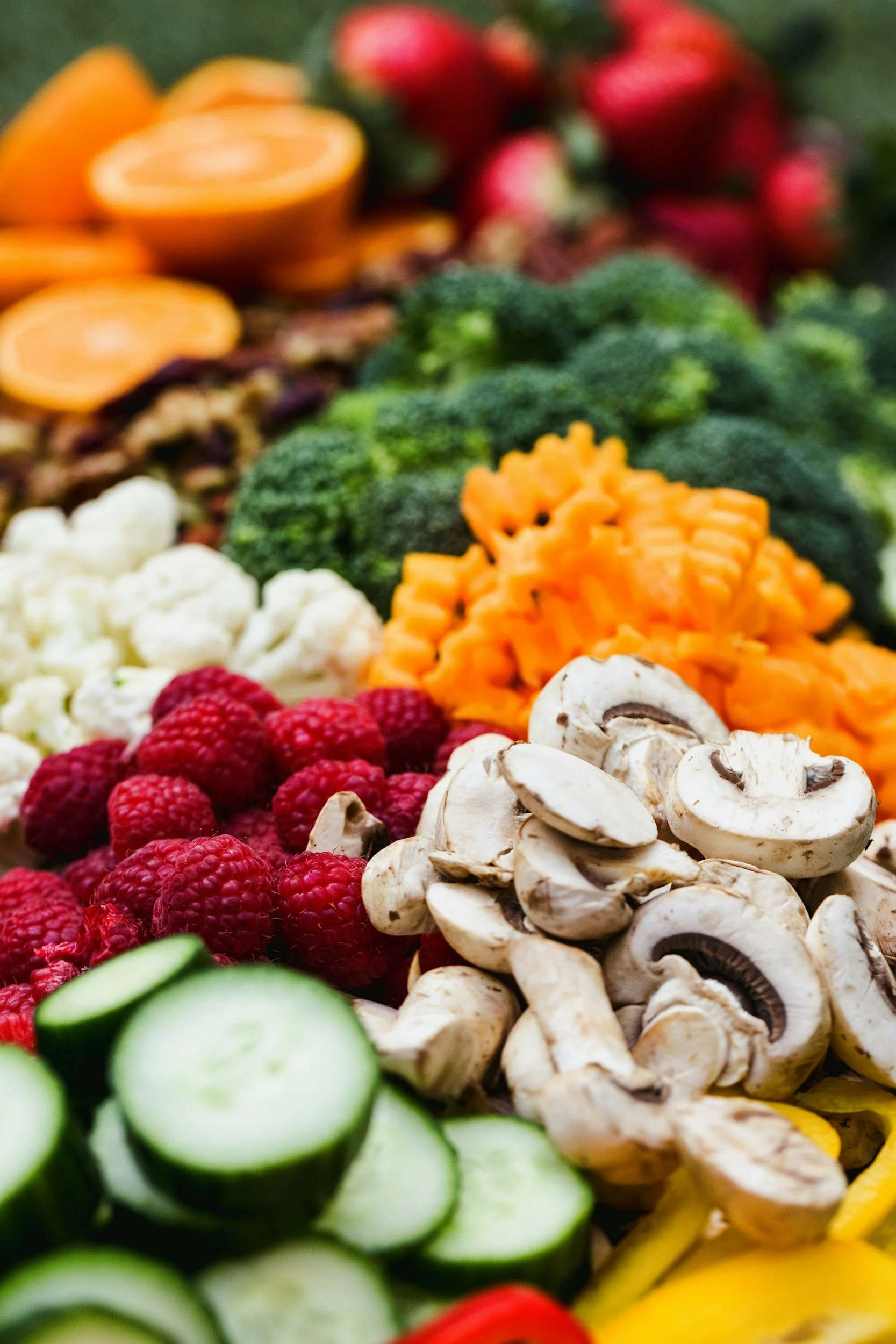
A diet rich in a variety of fruits and vegetables is strongly associated with reduced risk of cardiovascular disease (CVD) including coronary heart disease, stroke, and heart failure. These foods are high in fiber, vitamins, minerals, and polyphenols, which help lower blood pressure, improve lipid profiles, and reduce inflammation. Additionally, these power-packed produce are highly satiating while low in caloric content, making them perfect for those looking to keep calories in check while staving off that nagging hunger. Berries and citrus fruits, rich in polyphenolic compounds and antioxidants, help reduce inflammation and may protect arteries which may lower your risk of hypertension and atherosclerosis. Green leafy vegetables (such as spinach and kale) and cruciferous vegetables are rich in nitrates, micronutrients, and fiber (soluble and insoluble) that can help relax blood vessels leading to lower blood pressures. Current professional guidelines recommend consuming at least 8 servings per day or fruits and/or vegetables for optimal heart protection [1-3,15].
2. Whole Grains
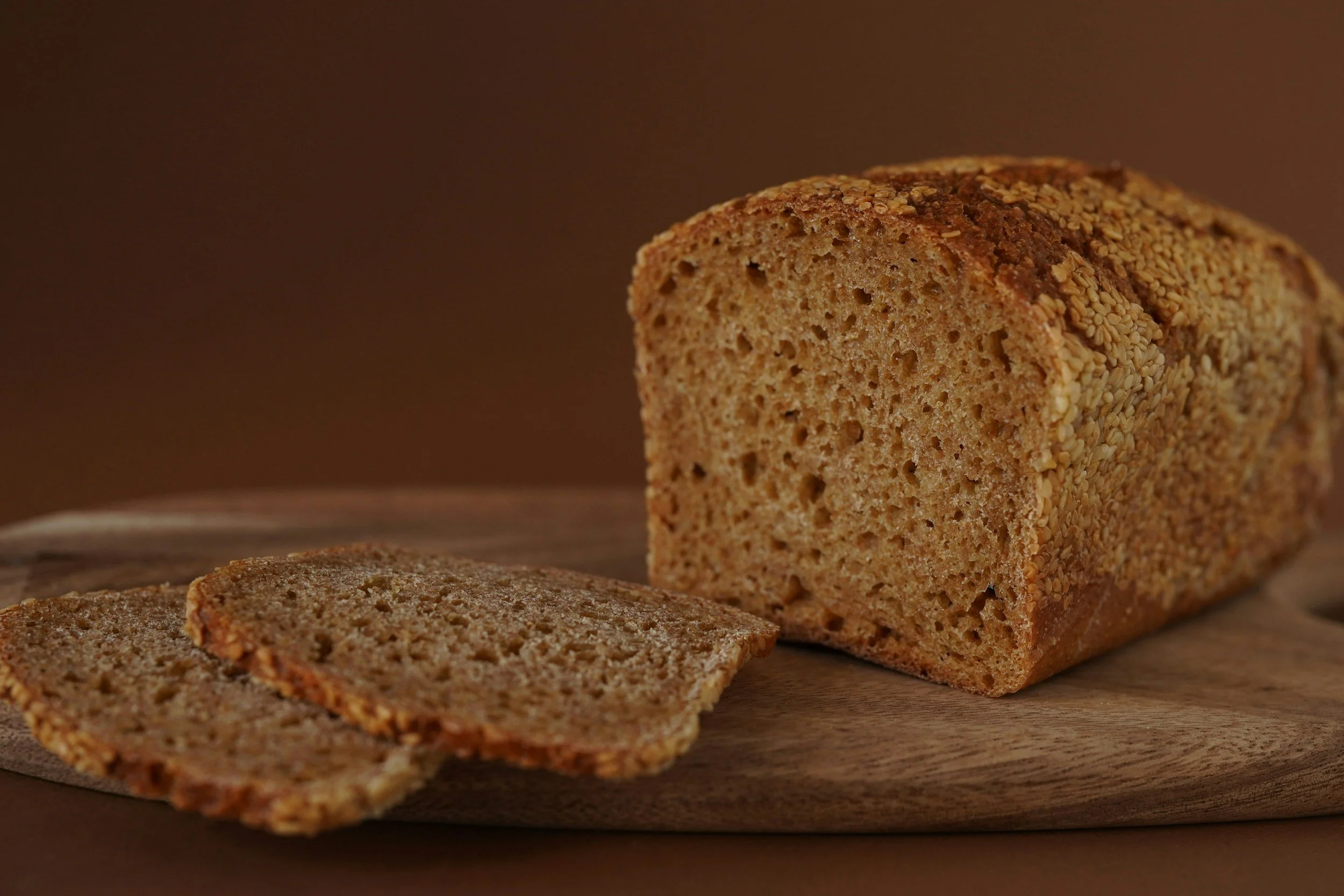
Whole grains—including oats, barley, brown rice, quinoa, and whole wheat—are rich in dietary fiber, which is linked to lower cholesterol levels and reduced risk of coronary heart disease. Unlike refined grains, whole grains retain their nutrient-dense bran and germ, providing essential vitamins, minerals, and phytochemicals. Refined grains, meanwhile, undergo milling which removes the bran and germ improving shelf life but removing dietary fiber, iron, and many B vitamins. Ancient grains, another category of grains, are largely genetically preserved through minimal exposure to large-scale agriculture which may provide additional nutritional benefit with minimal processing and environmental impact (such as spelt, quinoa, kamut, and farro). Regular consumption of whole grains is a key component of heart-healthy dietary patterns such as the Mediterranean and DASH diets. Current recommendations for adults is six one-ounce-equivalents per day of grains with half of those being whole grains [1-5,8,11,14,15,19].
3. Nuts and Legumes
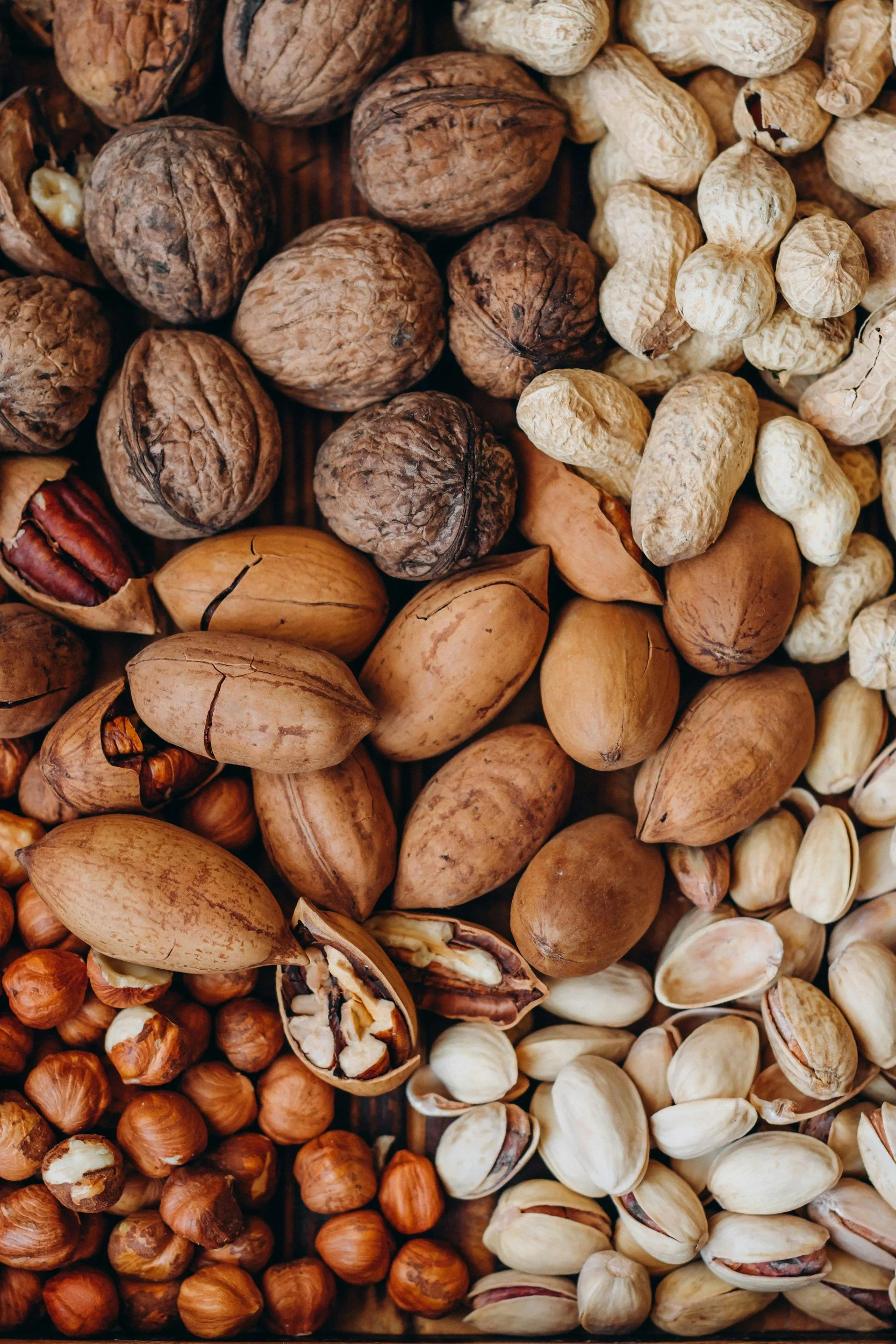
Nuts (such as almonds, walnuts, and hazelnuts) and legumes (beans, lentils, chickpeas, edamame) are excellent sources of plant-based protein, unsaturated fats, omega-3’s, fiber, and micronutrients. Numerous studies show that regular nut consumption (about 20–30g per day) is associated with a significant reduction in CVD incidence and mortality, as well as improvements in cholesterol and inflammation markers. Legumes also contribute to heart health by providing fiber and phytosterols [2-4,6-9,15,16,18,20].
4. Fatty Fish
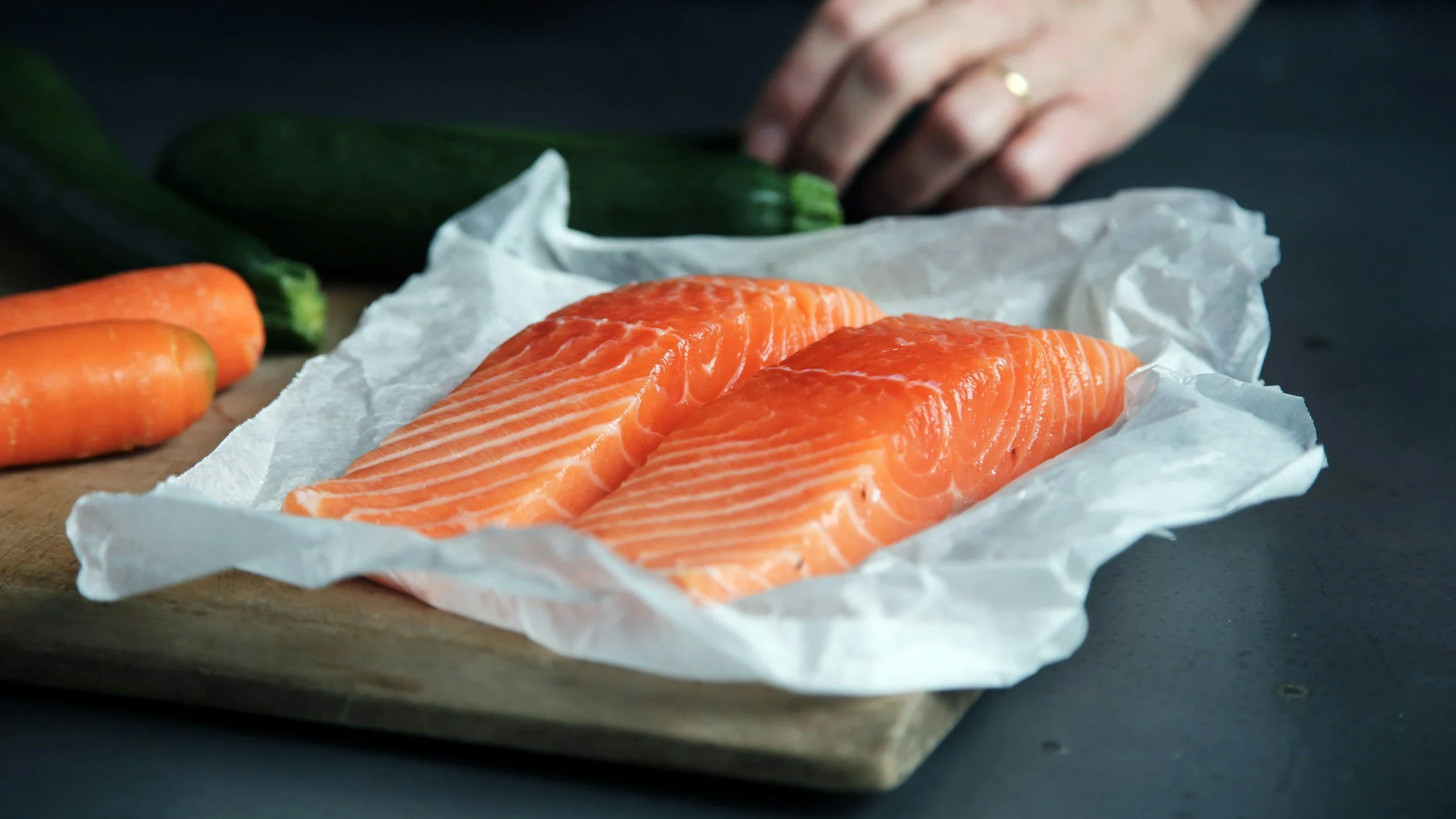
Fatty fish like salmon, mackerel, sardines, and trout are rich in long-chain omega-3 polyunsaturated fatty acids (PUFAs), which have been found to reduce arrhythmias, lower blood pressure, decrease triglycerides, and reduce inflammation and oxidative stress. Most fatty fish bought is farmed compared to wild-caught which reduces cost but increases concern of contamination. Research has found that most wild-caught and farmed fish have overall similar omega-3 content, excluding salmon which has more omega-3’s in farmed fish than wild-caught. Current recommendations point towards consuming fatty fish at least twice a week for cardiovascular protection, with ongoing evidence supporting a reduction in coronary heart disease mortality from regular consumption [2-6,8,15,17,18,20].
5. Plant Oils
Replacing saturated and trans fats, such as those from animal fats and tropical oils, with unsaturated fats from plant oils—such as olive, canola, safflower, and sunflower oil—supports heart health by improving cholesterol profiles, reduce plaque development risk, and reducing inflammation. Olive oil, a staple of the Mediterranean diet, is especially noted in the scientific literature for its cardioprotective effects due to its high content of monounsaturated fats and polyphenols. Highest omega-3-containing plant oils includes flaxseed, chia, walnut, and canola oils fro additional heart health benefits [1-3,9,10,13-15,18,19].
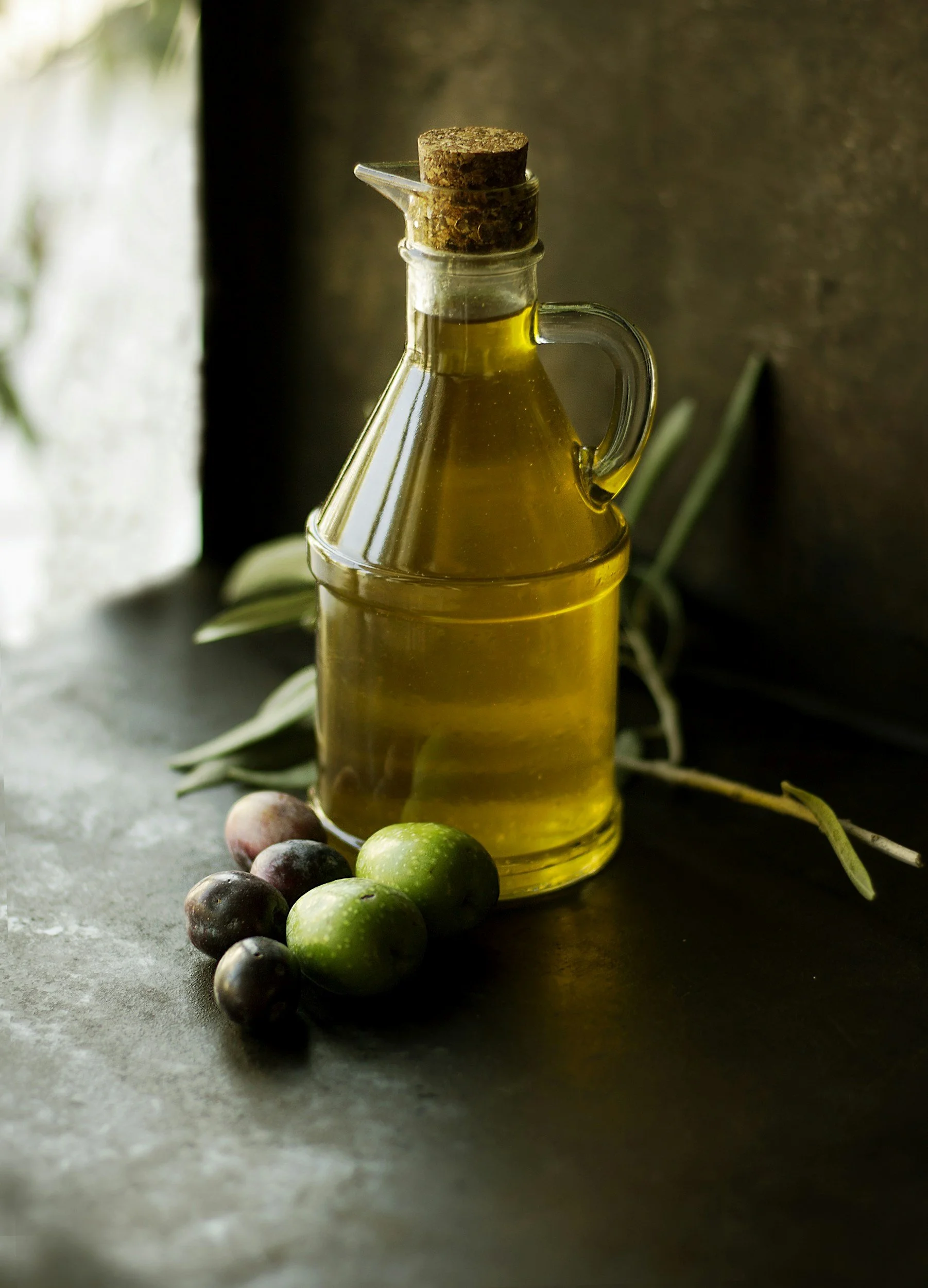
Table: Top Five Heart-Healthy Foods and Their Benefits
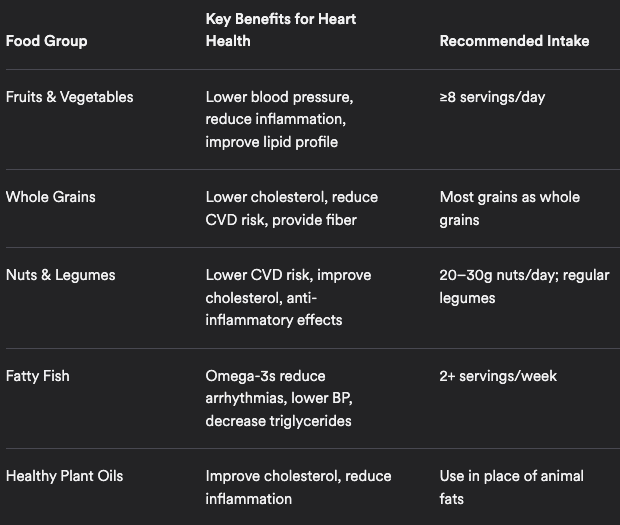
Table 1: Summary of top heart-healthy foods and their cardiovascular benefits [1-7,9,10,13,15,16].
Conclusion
Adopting a diet centered on these five food groups—fruits and vegetables, whole grains, nuts and legumes, fatty fish, and plant oils—forms the foundation of cardiovascular health. These foods work synergistically to lower risk factors and support heart function, especially when combined with minimizing processed foods, added sugars, and excess sodium [1-6,8,15].
For the best results, integrate these foods into a balanced, diverse, and sustainable dietary pattern. If you are unsure of how to do this, or are looking for expert guidance from a cardiac-focused Registered Dietitian, consider signing up for our services at Wholehearted Nutrition and Wellness PLLC. Our board certified Registered Dietitian and Exercise Physiologist can support you in implementing these heart healthy choices into you daily and weekly routine to support you, your heart, and your long-term wellness.
References
1. Lichtenstein, A., Appel, L., Vadiveloo, M., Hu, F., Kris-Etherton, P., Rebholz, C., Sacks, F., Thorndike, A., Van Horn, L., & Wylie-Rosett, J. 2021 Dietary Guidance to Improve Cardiovascular Health: A Scientific Statement From the American Heart Association. Circulation. 2021; 144. https://doi.org/10.1161/cir.0000000000001031.
2. Chareonrungrueangchai, K., Wongkawinwoot, K., Anothaisintawee, T., & Reutrakul, S. Dietary Factors and Risks of Cardiovascular Diseases: An Umbrella Review. Nutrients. 2020; 12. https://doi.org/10.3390/nu12041088.
3. Chen, W., Zhang, S., Hu, X., Chen, F., & Li, D. A Review of Healthy Dietary Choices for Cardiovascular Disease: From Individual Nutrients and Foods to Dietary Patterns. Nutrients. 2023; 15. https://doi.org/10.3390/nu15234898.
4. Yu, E., Malik, V., & Hu, F. Cardiovascular Disease Prevention by Diet Modification: JACC Health Promotion Series.. Journal of the American College of Cardiology. 2018; 72 8. https://doi.org/10.1016/j.jacc.2018.02.085.
5. Pagidipati, N., Taub, P., Ostfeld, R., & Kirkpatrick, C. Dietary patterns to promote cardiometabolic health. Nature Reviews Cardiology. 2024 https://doi.org/10.1038/s41569-024-01061-7.
6. Casas, R., Castro-Barquero, S., Estruch, R., & Sacanella, E. Nutrition and Cardiovascular Health. International Journal of Molecular Sciences. 2018; 19. https://doi.org/10.3390/ijms19123988.
7. Szczepańska, E., Białek-Dratwa, A., Janota, B., & Kowalski, O. Dietary Therapy in Prevention of Cardiovascular Disease (CVD)—Tradition or Modernity? A Review of the Latest Approaches to Nutrition in CVD. Nutrients. 2022; 14. https://doi.org/10.3390/nu14132649.
8. Lichtenstein, A., Appel, L., Brands, M., Carnethon, M., Daniels, S., Franch, H., Franklin, B., Kris-Etherton, P., Harris, W., Howard, B., Karanja, N., Lefevre, M., Rudel, L., Sacks, F., Van Horn, L., Winston, M., & Wylie-Rosett, J. Diet and Lifestyle Recommendations Revision 2006: A Scientific Statement From the American Heart Association Nutrition Committee. Circulation. 2006; 114. https://doi.org/10.1161/circulationaha.106.176158.
9. Glenn, A., Aune, D., Freisling, H., Mohammadifard, N., Kendall, C., Salas‐Salvadó, J., Jenkins, D., Hu, F., & Sievenpiper, J. Nuts and Cardiovascular Disease Outcomes: A Review of the Evidence and Future Directions. Nutrients. 2023; 15. https://doi.org/10.3390/nu15040911.
10. Gardner, C., Vadiveloo, M., Petersen, K., Anderson, C., Springfield, S., Van Horn, L., Khera, A., Lamendola, C., Mayo, S., & Joseph, J. Popular Dietary Patterns: Alignment With American Heart Association 2021 Dietary Guidance: A Scientific Statement From the American Heart Association. Circulation. 2023; 147. https://doi.org/10.1161/cir.0000000000001146.
11. Soliman, G. Dietary Fiber, Atherosclerosis, and Cardiovascular Disease. Nutrients. 2019; 11. https://doi.org/10.3390/nu11051155.
12. Cagigas, M., Twigg, S., & Fontana, L. Ten tips for promoting cardiometabolic health and slowing cardiovascular aging. European heart journal. 2024 https://doi.org/10.1093/eurheartj/ehad853.
13. Riccardi, G., Giosuè, A., Calabrese, I., & Vaccaro, O. Dietary recommendations for prevention of atherosclerosis. Cardiovascular Research. 2021 https://doi.org/10.1093/cvr/cvab173.
14. Riccardi, G., Giosuè, A., Calabrese, I., & Vaccaro, O. Dietary recommendations for prevention of atherosclerosis. Cardiovascular Research. 2021 https://doi.org/10.1093/cvr/cvab173.
15. Eilat-Adar, S., Sinai, T., Yosefy, C., & Henkin, Y. Nutritional Recommendations for Cardiovascular Disease Prevention. Nutrients. 2013; 5. https://doi.org/10.3390/nu5093646.
16. Ros, E., Tapsell, L., & Sabaté, J. Nuts and Berries for Heart Health. Current Atherosclerosis Reports. 2010; 12. https://doi.org/10.1007/s11883-010-0132-5.
17. Martínez-González, M., Gea, A., & Ruíz-Canela, M. The Mediterranean Diet and Cardiovascular Health: A Critical Review. Circulation Research. 2019; 124. https://doi.org/10.1161/circresaha.118.313348.
18. Lamarche, B., Astrup, A., Eckel, R., Feeney, E., Givens, I., Krauss, R., Legrand, P., Micha, R., Michalski, M., Soedamah-Muthu, S., Sun, Q., & Kok, F. Regular-fat and low-fat dairy foods and cardiovascular diseases: perspectives for future dietary recommendations. The American Journal of Clinical Nutrition. 2025; 121. https://doi.org/10.1016/j.ajcnut.2025.03.009.
19. Marques-Vidal, P., Tsampasian, V., Cassidy, A., Biondi-Zoccai, G., Chrysohoou, C., Koskinas, K., Verschuren, W., Czapla, M., Kavousi, M., Kouvari, M., Vassiliou, V., & Panagiotakos, D. Diet and nutrition in cardiovascular disease prevention: a scientific statement of the European Association of Preventive Cardiology and the Association of Cardiovascular Nursing & Allied Professions of the European Society of Cardiology. European Journal of Preventive Cardiology. 2025 https://doi.org/10.1093/eurjpc/zwaf310.
20. Wang, Y., Hill, E., Campbell, W., & O’Connor, L. Plant- and Animal-Based Protein-Rich Foods and Cardiovascular Health. Current Atherosclerosis Reports. 2022; 24. https://doi.org/10.1007/s11883-022-01003-z.