

Smart Holiday Eating: Evidence-Based Strategies to Enjoy Festive Meals Without Overeating
Balancing HOliday Tradition and Nutrition
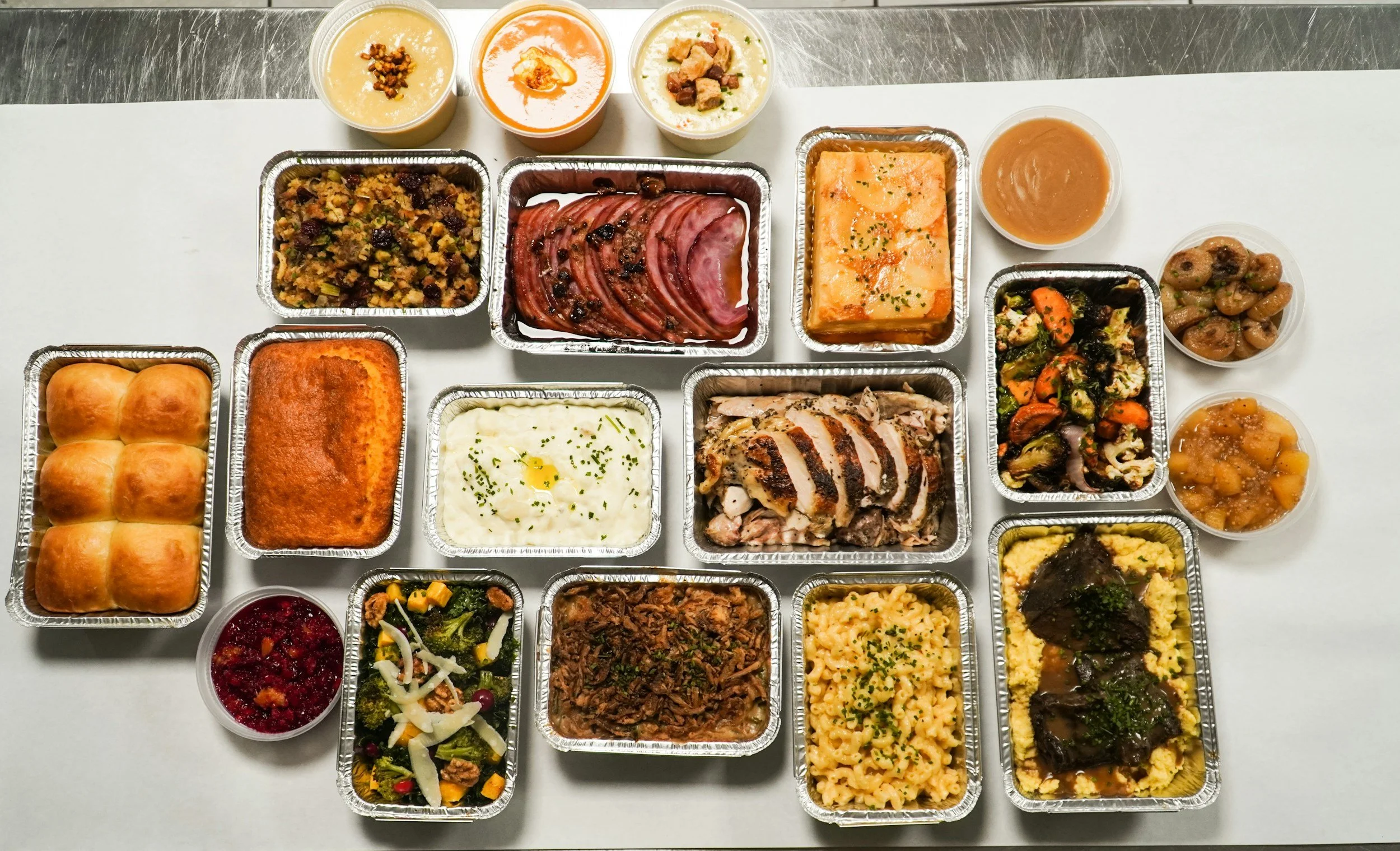
The holiday season is a time of celebration, family gatherings, and tons of delicious home-made food! Yet, it’s also a period when many people worry about overeating or consuming excess calories leading to unintended weight gain. Whether you are actively working towards weight loss or aiming to avoid your pants feeling tighter, it is perfectly reasonable to feel a bit of anxiety around this holiday event. Research shows that while the average holiday weight gain is modest—on average 1.1 pounds—it often to linger well beyond January for most adults. The good news is that with mindful planning and evidence-based strategies, you can enjoy holiday meals without compromising your health goals. Today, we review some evidence-backed strategies for controlling your nutritional intake to avoid feeling guilty or anxious around the family holiday meal [1-3]
Nutritional Strategies to Reduce Calorie Intake
Prioritize Protein and Fiber
Protein and fiber are powerful allies in appetite regulation as they are the most satiating nutrients. Lean proteins such as turkey breast, fish, or legumes help stabilize blood sugar and promote satiety. Fiber-rich foods like vegetables, fruits, and whole grains slow digestion, keeping you fuller longer. Fibers are also jam packed with vitamins and minerals, fiber, water, and are calorie free. Starting your meal with a salad or vegetable soup can naturally reduce overall calorie intake by beginning to stretch the stomach before the main course even arrives [1,6,8].
Smart Food Swaps
Holiday recipes can be lightened without losing flavor. While many family recipes were created during times where food was scarce and utilizing full-fat varieties was the only choice, it doesn’t mean it can’t be modified a little to support your health today. Consider some easy food swaps such as greek yogurt as a replacement for sour cream in dips, herbs and spices as a substitute for calorie-heavy sauces, and sparkling water with citrus can stand in for sugary cocktails or juices. These swaps cut calories and blood sugar spikes while preserving the festive spirit of the meal [4].
Portion Control Techniques
Portion size is one of the most effective levers for calorie reduction. Being mindful of our portions can help us enjoy a variety of holiday foods while remaining within estimated daily calorie needs. Using smaller plates, filling half your plate with vegetables first, and serving desserts on petite ramekins are simple yet impactful strategies. These visual cues help you enjoy traditional dishes without feeling the need to overindulge [1,4,5,7].
Limit Liquid Calories
Liquid calories are one the easiest way to get calories in as they are quickly digested and absorbed over solid foods that requires mechanical digestion. Alcohol and sweetened beverages often contribute hidden calories around the holidays through festive drinks and holiday party celebrations. Alternating between water and festive drinks, or choosing sugar-free options, can significantly reduce caloric intake. Staying hydrated also helps distinguish true hunger from thirst [1,4,7,8,10].
Behavioral Strategies to Avoid Overeating
Practice Mindful Eating
Mindful eating encourages slowing down, savoring flavors, and paying attention to hunger cues. Several studies have shown that mindful eaters consume fewer calories at meals and feel more satisfied with smaller portions. Allowing your stomach time to alert your brain that you are full while being mindful of social and environmental pressures to eat can significantly improve your ability to stay within your calorie goals and have a positive experience throughout the meal. Putting utensils down between bites and engaging in conversation can naturally pace your meal if you struggle with eating too fast [3,4,6].
Set Boundaries Before Events
Arriving at a holiday gathering ravenous often leads to overeating. A balanced snack including protein and fiber—such as an apple with nut butter—beforehand can significantly curb hunger and reduce the temptation to eat ravenously. Setting intentions, like choosing one indulgence you truly enjoy, helps you stay in control without feeling deprived [1-5,7,9,10].
Manage Social and Environmental Cues
Buffet tables and endless trays of appetizers can encourage mindless grazing leading to calorie intake creeping up without you being aware. Social and environmental cues are a large component of our desire to eat in order to feel connection to others and the moment. Positioning yourself away from food displays and focusing on social interaction reduces temptation. Remember, holiday meals are about connection, not just consumption. If family asks you if you’d like seconds or to finish a dish, take a deep breath and listen to your stomach before answering. That one-to-two second pause can reduce the temptation and the guilt significantly [1-4,7,9].
Stay Active
Movement is a natural complement to festive eating to help balance the caloric load over the day. A family walk , dancing, or active games after dinner can help balance daily energy expenditure (intake minus output). Consider creating a new holiday tradition by taking part in a family-lead or community “fun run” to engage in some casual physical activity before needing to clean up for a family gathering. Physical activity also enhances mood and digestion, making the holiday experience that much more enjoyable [3,5,6].

Practical Quick Tips for Holiday Success
Hydrate First
Drinking a glass of water before meals can reduce hunger and prevent overeating by briefly expanding your stomach. Note that water is absorbed through the stomach in as little as five minutes, so drinking as close to a meal as possible is recommended. Adequate hydration also supports digestion and energy levels to keep you feeling lighter and more awake after a large holiday meal [3,4,7].
One *Small* Plate Rule
Commit to filling your plate once, prioritizing vegetables and lean proteins. If you return for seconds, make them vegetable-based over simpler carbohydrates like potatoes, rolls, or pastas. For those who struggle to allow themselves to leave food on their plate (either from a scarcity mindset or generational guilt), make sure you use a regular sized plate and not a large platter plate. This simple guideline prevents unconscious overeating [2,4,7].
Dessert Mindset
Desserts are often the highlight of holiday meals. Instead of skipping them and feeling deprived, savor a few bites or share with a partner, family member, or friend. This approach allows enjoyment without overindulgence [1,8].
Sleep Well
Poor sleep leads to an imbalance in hormonal regulation, often resulting in increased cravings for high-calorie savory or sweet foods (often high in added sugars and saturated fats) as well as reduces willpower (often termed inhibition). Prioritizing sufficient, high-quality rest around the holidays supports better food choices and overall well-being [1,3,4,8].
Conclusion
Celebrate With Balance
Holiday meals are meant to be joyful, not stressful! Food should be a way to connect with our family, our friends, and our culture, not just calories contributing to slight weight change. By combining nutritional strategies—like prioritizing protein, fiber, and portion control—with behavioral approaches such as mindful eating and boundary setting, you can fully enjoy festive traditions while maintaining balance. The goal isn’t restriction, but rather intentional choices that leave you satisfied, energized, and ready to celebrate.
References
1. Abdulan IM, Popescu G, Maștaleru A, et al. Winter Holidays and Their Impact on Eating Behavior-A Systematic Review. Nutrients. 2023;15(19):4201. Published 2023 Sep 28. https://doi:10.3390/nu15194201.
2. Mason F, Farley A, Pallan M, Sitch A, Easter C, Daley AJ. Effectiveness of a brief behavioural intervention to prevent weight gain over the Christmas holiday period: randomised controlled trial. BMJ. 2018;363:k4867. Published 2018 Dec 10. https://doi:10.1136/bmj.k4867.
3. Erren TC, Wild U, Lewis P. Christmas and New Year "Dietary Titbits" and Perspectives from Chronobiology. Nutrients. 2022;14(15):3177. Published 2022 Aug 2. https://doi:10.3390/nu14153177.
4. Pan X, Gao Y, Zhang Y, et al. The impact of snacking habits and physical activity on body composition in overweight and obese adolescents: A longitudinal study differentiating home and school environments. PLoS One. 2025;20(2):e0318000. Published 2025 Feb 26. https://doi:10.1371/journal.pone.0318000.
5. Wee MSM, Henry CJ. Reducing the glycemic impact of carbohydrates on foods and meals: Strategies for the food industry and consumers with special focus on Asia. Compr Rev Food Sci Food Saf. 2020;19(2):670-702. https://doi:10.1111/1541-4337.12525.
6. Bayes N, Mason C, Holley CE. Staff perspectives on the feeding practices used in holiday clubs to promote healthy eating in disadvantaged communities. Health Soc Care Community. 2022;30(5):e3116-e3127. https://doi:10.1111/hsc.13757.
7. Guerrero-Magaña DE, Urquijo-Ruiz LG, Ruelas-Yanes AL, et al. Interventions for the prevention of weight gain during festive and holiday periods in children and adults: A systematic review. Obes Rev. 2025;26(1):e13836. https://doi:10.1111/obr.13836.
8. Shinwell J, Defeyter MA. Food Insecurity: A Constant Factor in the Lives of Low-Income Families in Scotland and England. Front Public Health. 2021;9:588254. Published 2021 May 19. https://doi:10.3389/fpubh.2021.588254.
9. Hirsh SP, Pons M, Joyal SV, Swick AG. Avoiding holiday seasonal weight gain with nutrient-supported intermittent energy restriction: a pilot study. J Nutr Sci. 2019;8:e11. Published 2019 Mar 25. https://doi:10.1017/jns.2019.8.